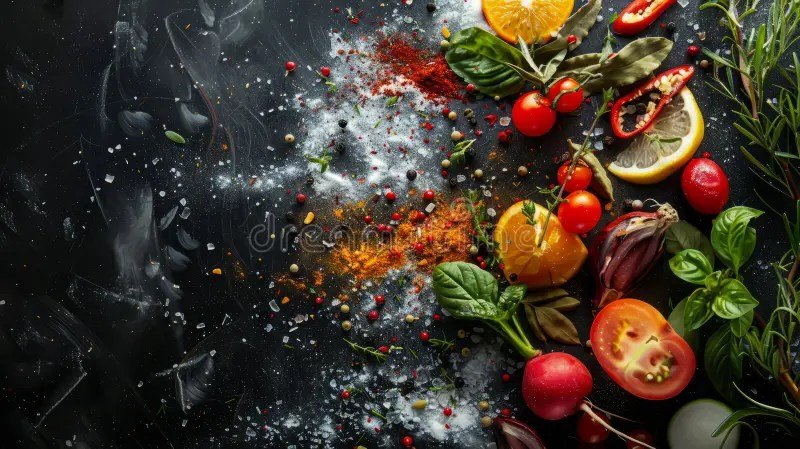
When you pick up groceries or choose a meal, you’re not just selecting food; you’re making a profound choice about your health, your trust in suppliers, and even the planet. The core of this decision revolves around Food Quality, Freshness & Variety—a trio that directly impacts everything from how well your body functions to how much you enjoy your eating experience. This isn't just about avoiding spoilage; it's about unlocking maximum nutritional value, savoring true flavors, and building a resilient, healthy lifestyle.
At a Glance: What You'll Learn About Food Quality, Freshness & Variety
- Quality Goes Beyond Taste: It encompasses nutritional value, safety, and even ethical considerations like sourcing and sustainability.
- Freshness Isn't Just "New": It’s about minimizing degradation from heat, light, and oxygen exposure during global travel, which affects flavor, nutrients, and safety.
- Variety Fuels Your Body: A diverse diet ensures you get a full spectrum of essential nutrients, supporting long-term health and preventing deficiencies.
- Trust is Built on Transparency: Regulations, standards, and clear labeling are critical in assuring consumers about what they eat.
- Innovation is Key: New field-testing methods are making it easier to verify food quality and freshness outside traditional labs, empowering both businesses and consumers.
- You Have More Power Than You Think: Understanding labels, storage, and purchasing habits can significantly enhance your food quality journey.
Beyond the Label: What "Food Quality" Really Means
Food quality is a multi-layered concept, far richer than a simple "good" or "bad." At its most fundamental, it's about ensuring safety—that your food won't harm you through microbes or toxins. But beyond this critical baseline, food quality blossoms into a complex interplay of sensory pleasure, nutritional benefit, and ethical considerations.
Think about it: when you bite into a ripe, juicy peach, you're experiencing its organoleptic qualities—the burst of sweetness, the fragrant aroma, the vibrant color, and the satisfying texture. These are the immediate signals of quality that shape consumer acceptability. However, underneath these sensory delights lies a deeper, unseen dimension: the peach’s nutritional content, its antioxidant levels, and its freedom from harmful pesticides or pathogens. Leading food manufacturers globally are regulated precisely to ensure both this inherent safety and the development of these desired characteristics.
The origin of your food and even the brand behind it can profoundly influence your perception of quality. A label claiming "farm-fresh" or "organic" subtly shifts your expectations, promising a certain standard of care and purity. It's a testament to how subjective factors and well-established standards interweave to define true food quality.
The Freshness Imperative: Why Time and Conditions Matter
"Freshness" is often equated with how recently something was harvested or produced, but it's a battle fought minute by minute against environmental factors. In today's interconnected world, food travels vast distances. This global journey often exposes products to heat, light, and oxygen—conditions that are notorious for degrading quality.
This isn't just about your salad wilting. Exposure to these elements can strip food of its vibrant flavor, diminish its nutritional value, and even generate unhealthy byproducts. Take fats and oils, for example; prolonged exposure or improper heating leads to oxidation and hydrolysis, creating compounds associated with "off-flavors" and rancidity. This is where the initial focus on acute food safety, like detecting dangerous microbes or toxins, has broadened significantly. We now recognize the vital importance of monitoring the retention of beneficial qualities, such as antioxidant activity, and the prevention of long-term adverse effects like the formation of rancid compounds. Ensuring freshness across the supply chain, not just at the point of production, is paramount.
Variety is the Spice of Health: The Role of a Diverse Diet
Imagine eating the same meal every single day. While convenient, it’s a recipe for nutritional imbalance. Dietary variety isn't just about making meals exciting; it's a cornerstone of good health. Each fruit, vegetable, grain, and protein source offers a unique cocktail of vitamins, minerals, fiber, and phytonutrients.
By incorporating a wide array of foods into your diet, you naturally increase your chances of meeting all your body's complex nutritional needs. This diversity protects against nutrient deficiencies, strengthens your immune system, supports gut health, and can even reduce the risk of chronic diseases. It’s a simple yet powerful strategy to ensure your body receives the broad spectrum of building blocks it requires to thrive. When evaluating meal solutions, for example, considering the diversity of ingredients and meal types offered is key for nutritional balance—you might find some interesting insights in Our full Hungryroot review on how services approach this.
Trust on a Plate: The Bedrock of Consumer Confidence
Eating is an act of trust. Every time you consume a product, you're trusting that it's safe, accurately labeled, and meets certain standards. This trust isn't accidental; it's meticulously built through a robust framework of global regulations, industry standards, and diligent oversight.
The Watchdogs of Quality
Food manufacturing companies operate under stringent global regulations designed to ensure product safety and quality. Organizations like the International Organization for Standardization (ISO), through standards such as ISO 22000, set requirements for food safety management systems that manufacturers must follow.
In the United States, the Food and Drug Administration (FDA) safeguards public health by ensuring food safety, while the Food Safety Act of 1990 further enforces food quality. Across the Atlantic, the European Food Safety Authority (EFSA) provides scientific advice and communicates risks related to the food chain. Even prestigious bodies like Monde Selection, established in Brussels in 1961, independently evaluate food products based on taste, health, convenience, labeling, packaging, environmental friendliness, and innovation, offering a stamp of quality that consumers can recognize. In the UK, public analysts perform crucial scientific analysis on food samples to verify quality standards.
Beyond Safety: Traceability, Labeling & Ethics
Consumer trust extends beyond merely avoiding harm. It encompasses a desire for transparency and alignment with personal values:
- Product Traceability: Knowing where your food comes from, including its ingredients and even packaging suppliers, is vital for accountability and efficient product recalls when necessary.
- Accurate Labeling: This is non-negotiable. Labels must provide correct ingredient and nutritional information. In the US, the Food Allergen Labeling and Consumer Protection Act of 2004 mandates clear identification of the eight major food allergens (milk, eggs, fish, shellfish, tree nuts, wheat, peanuts, and soybeans). The United States Department of Agriculture (USDA) also requires specific labels, often with verified shields or official seals, to ensure quality for various food groups like dairy, meat, poultry, and organic products. Similarly, in Sweden, the Swedish National Food Agency (Livsmedelsverket) regulates labeling according to EU guidelines, notably Regulation (EU) No 1169/2011, ensuring consumers receive comprehensive food information.
- Subjective Factors: Today’s consumers increasingly consider factors like environmental sustainability practices, animal welfare, and authenticity. They rely on manufacturers and processing standards to meet these expectations, alongside practical dietary needs (e.g., kosher, halal, vegetarian) or medical conditions (e.g., diabetes, allergies).
Unmasking Hidden Dangers and Preserving Goodness
While regulations set standards, how do we actually measure food quality and freshness once it leaves the factory? Traditional laboratory methods, while precise, are often too slow, complex, and expensive for rapid field testing—exactly where early detection of quality degradation is most crucial.
Consider a shipment of fish or cooking oil. By the time a lab analysis reveals issues, the product might have already reached shelves, or even consumers. This gap spurred the development of innovative, field-friendly solutions.
Oxford Biomedical Research Food Science Division stepped up to address this need, adapting decades of medical research in antioxidant and lipid peroxidation testing for food analysis. Their products offer quick, simple, reliable, and affordable ways to assess quality:
- Oil Polarity Tests: These qualitative liquid phase tests and semi-quantitative dipsticks measure changes in cooking oil polarity. This change is a direct indicator of oxidation and hydrolysis (hydrolytic rancidity) due to overheating, prolonged use, or contamination. Think of it as a quick "health check" for your frying oil.
- TBARS (Malonaldehyde Quantitation Kit): This kit quantifies malonaldehyde, an aldehyde produced from lipid oxidation. This compound is directly linked to the "off-flavors" often found in fats, oils, meats, and dairy products. Unlike older methods, this kit operates at room temperature without harsh acids or extraction, cutting down on interference and complexity. It’s a direct measure of what makes food taste "bad."
- Total Antioxidant Capacity (TAC): Antioxidants are the unsung heroes that preserve food freshness and offer significant health benefits. This rapid colorimetric method allows for quick measurement of these vital compounds even outside a full laboratory setting, helping to assess the nutritional staying power of food.
- Histamine Immunoassay: Histamine, often associated with allergic reactions, can be produced in food due to microbial decomposition, particularly in fish. This unique immunoassay simplifies detection by eliminating the need for complex sample pre-treatment to form histamine derivatives, making it less prone to variation and easier to use on-site.
These advancements empower producers, distributors, and even retailers to perform real-time checks, shifting the focus from just identifying acute dangers to proactively preserving quality and nutritional value throughout the supply chain.
Your Guide to Smarter Food Choices: Practical Tips for Quality, Freshness & Variety
Navigating the supermarket aisles or online grocery stores with confidence means arming yourself with knowledge. Here’s how you can make smarter decisions about food quality, freshness, and variety:
Decoding What to Look For
- Appearance and Texture: Trust your senses. Fresh produce should be vibrant, firm, and free from excessive blemishes or wilting. Meats should have a natural color without dullness or stickiness. Packaged goods should show no signs of bloating (indicating microbial activity) or damage.
- Smell: A strong, unpleasant odor from any food item is a clear warning sign. Fresh food generally has a neutral or pleasant aroma.
- Source and Seasonality: Whenever possible, opt for locally sourced and seasonal produce. This often means less travel time, minimizing degradation, and typically results in a fresher, more flavorful product.
Reading Labels Like a Pro
Beyond the marketing claims, the label is your best friend for understanding what you're buying.
- Ingredient List: Look for whole, recognizable ingredients. A long list of unpronounceable chemicals often means a highly processed food. Pay attention to the order of ingredients; they're listed by weight, so the first few are the most abundant.
- Nutritional Information: Understand serving sizes and compare sugar, sodium, and unhealthy fat content across similar products.
- Allergen Statements: If you or a family member has allergies, always double-check the allergen warnings required by laws like the Food Allergen Labeling and Consumer Protection Act.
- Certification Seals: Look for USDA Organic seals, non-GMO certifications, or specific quality grades on meat and dairy (e.g., USDA Prime beef) as indicators of adherence to certain standards.
- "Best By" vs. "Use By": "Use By" is a safety date—don't eat food past this date. "Best By" is a quality date; food might still be safe to eat afterward but may not be at its peak quality.
- Traceability Information: Some products include QR codes or batch numbers that allow you to trace their origin, providing a new layer of transparency.
Mastering Freshness at Home
Your role doesn't end at the checkout. Proper storage is crucial for maintaining freshness and quality.
- Refrigerate Promptly: Perishable items belong in the fridge as soon as possible.
- Understand Storage Zones: Different foods thrive in different conditions. Root vegetables prefer cool, dark places (not the fridge). Some fruits, like bananas and tomatoes, ripen best at room temperature.
- Airtight Containers: Protect food from oxygen, which causes oxidation and spoilage. Use airtight containers for leftovers and opened packages.
- First In, First Out (FIFO): Use older items first to prevent waste and ensure you're consuming food at its freshest.
Embracing Dietary Variety
Make it a goal to eat a rainbow of colors throughout the week.
- Experiment with New Foods: Try a new fruit, vegetable, or grain each month. You might discover new favorites and broaden your nutrient intake.
- Rotate Your Proteins: Don't stick to just chicken. Include fish, beans, lentils, eggs, and different types of meat to get a wider range of amino acids and micronutrients.
- Mix Up Your Greens: Instead of always choosing spinach, try kale, collard greens, or Swiss chard. Each offers distinct nutritional benefits.
When to Question "Freshness" Claims
Be a discerning consumer. If a product seems unnaturally bright, has an unusually long shelf life without preservatives, or if the "freshness" claims conflict with common sense (e.g., "fresh" strawberries in winter from a local farm in a cold climate), investigate further. Your critical eye is a powerful tool in ensuring the quality of your food.
The Future of Your Food: Innovation and Empowerment
The journey from farm to fork is complex, but it's constantly evolving. Innovations in food science are not only improving safety protocols but also enhancing our ability to preserve and assess food quality and freshness with unprecedented precision. From advanced packaging that extends shelf life to rapid, portable testing kits that can identify spoilage before it reaches your plate, technology is empowering every stage of the food chain.
As consumers, our role is also evolving. We're no longer passive recipients; we are active participants, demanding greater transparency, sustainability, and authenticity from our food sources. By understanding the intricate factors that define food quality, freshness, and variety, you become an informed advocate for your health and a more conscious contributor to a healthier food system.
Ultimately, making informed choices about food is one of the most significant investments you can make in your well-being. It’s about more than just sustenance; it’s about nurturing your body, respecting the resources that bring food to your table, and savoring the richness of a truly high-quality, fresh, and diverse diet.